Ensuring electrical safety in commercial properties is crucial for preventing hazards like electrical fires, short circuits, and power surges. Commercial circuit breakers serve as the first line of defense in protecting businesses from electrical mishaps. Whether you’re installing a new system, upgrading from outdated breakers, or comparing industrial motor controls, commercial motor controls, electrical power transformers, and electrical transformers, this guide will provide you with essential insights into choosing the right components for your business. industrial circuit breakers
What Are Commercial Circuit Breakers and Why Are They Important?
Commercial circuit breakers are electrical safety devices that automatically shut off power in case of overloads or faults. Their main functions include:
• Protecting businesses from electrical fires caused by overloaded circuits
• Preventing damage to commercial electrical equipment and wiring
• Enhancing safety by cutting power in the event of short circuits
• Ensuring compliance with modern electrical codes for businesses
Types of Commercial Circuit Breakers
1. Standard Circuit Breakers
These are the most common type of commercial circuit breakers, designed to handle everyday electrical loads by shutting off power when excessive current is detected.
2. Ground Fault Circuit Interrupters (GFCI)
Essential for kitchens, bathrooms, and outdoor outlets, GFCI breakers protect against electric shocks by shutting off power when an imbalance in electrical current is detected.
3. Arc Fault Circuit Interrupters (AFCI)
AFCIs are designed to detect dangerous electrical arcs, which can cause fires. They are commonly installed in office buildings and retail spaces.
4. High-Voltage Circuit Breakers
Used in large commercial and industrial applications, these breakers can handle higher electrical loads and are built for durability and reliability.
How to Choose the Right Commercial Circuit Breaker
When selecting a commercial circuit breaker, consider the following factors:
• Electrical Load Capacity – Ensure it matches the power demands of your business.
• Breaker Type – Choose GFCI, AFCI, or high-voltage breakers based on your needs.
• Panel Compatibility – Verify that the breaker is compatible with your electrical panel.
• Brand & Certification – Opt for UL-listed or industry-certified breakers.
• Future Expansion – Plan for additional circuits if you anticipate future electrical needs. residential circuit breakers
The Role of Industrial and Commercial Motor Controls
Industrial motor controls and commercial motor controls play a significant role in managing electrical systems within commercial buildings. Some of their key benefits include:
• Controlling HVAC and refrigeration systems efficiently.
• Managing elevators, escalators, and conveyor belts.
• Ensuring energy-efficient motor operation in large-scale commercial setups.
• Reducing wear and tear on electrical systems through automated controls.
Understanding Electrical Power Transformers for Commercial Use
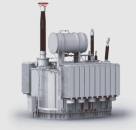
Electrical power transformers and electrical transformers are essential components in commercial electrical distribution systems. Their functions include:
• Adjusting voltage levels to match the power requirements of commercial equipment.
• Enhancing energy efficiency by reducing power loss.
• Ensuring smooth and safe operation of electrical systems.
• Protecting sensitive equipment from power fluctuations.
Maintenance and Troubleshooting Tips for Commercial Circuit Breakers
To ensure longevity and performance, follow these maintenance tips:
• Regularly inspect your circuit breaker panel for signs of wear or overheating.
• Test GFCI and AFCI breakers periodically to confirm proper functionality.
• Keep the panel area clean and dry to prevent moisture damage.
• If breakers trip frequently, consult an electrician to identify underlying issues.
• Replace old or faulty commercial circuit breakers to prevent electrical hazards.
Conclusion
Investing in high-quality commercial circuit breakers is essential for maintaining electrical safety in your business. Understanding the differences between industrial motor controls, commercial motor controls, electrical power transformers, and electrical transformers allows you to make informed decisions about your electrical system. Additionally, utilizing industrial motor controls and commercial motor controls where applicable can enhance efficiency and reliability.
By selecting the right components and performing routine maintenance, you can protect your business from electrical hazards while ensuring long-term reliability and performance. When in doubt, consulting a professional electrician or trusted electrical supplier is always a wise decision.