A well-planned garden is easier to build when the main areas are decided first. Paths, flower beds, seating areas and small terraces should have clear places from the beginning. The goal is not to fill every empty corner, but to create a space that is easy to move through and pleasant to use. A simple layout can also make future maintenance much easier.
Different areas can have different purposes. One part of the garden may be used for flowers, another for vegetables, while a quieter corner can become a place to sit and relax. Slopes and uneven sections do not always need to be removed. They can be included in the design through steps, raised beds or small retaining structures.
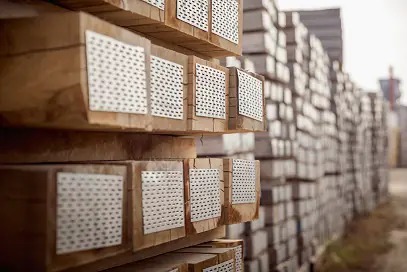
Reclaimed railway sleepers can be useful when you want to define garden areas while keeping a natural and rustic appearance. Their solid construction makes them suitable for borders, raised beds, steps and other outdoor features. They can also be combined with plants, natural stone or metal details, creating a garden that feels practical without looking too formal.
Practical zones make the garden easier to enjoy
The materials used in a garden should match the way each area will be used. A path needs stable edges, a raised flower bed needs strong support, and a seating area should feel comfortable rather than purely decorative. Choosing materials according to their function helps avoid unnecessary changes later and makes the whole space easier to manage.
Wood can add warmth and texture, while stone can create contrast and provide a more solid visual base. Older timber can also bring a weathered appearance that works well with plants and natural surfaces. When materials are combined carefully, even a simple garden can gain more character without requiring complicated decoration.
When planning the main garden areas, consider these steps:
- Decide which parts will be used for plants and flowers.
- Mark the main walking routes through the garden.
- Identify slopes or uneven areas that need support.
- Choose a suitable place for seating or relaxation.
- Decide where raised beds or borders would be useful.
- Select materials that can handle outdoor conditions.
- Leave enough free space for maintenance and movement.
Raised areas can add structure to the garden
Raised flower beds can make a garden easier to organize while also giving it more depth. Wooden borders can separate flowers from grass, define vegetable areas, or create clear lines along a path. Reclaimed timber can work especially well here because its aged appearance fits naturally with plants and other outdoor materials.
Different materials can be combined to create contrast without making the garden look crowded. Wood works well with natural stone, gravel, green plants and simple metal elements. A slightly weathered surface can also add character, especially in gardens that aim for a less formal and more natural appearance.
Useful elements for defining garden areas include:
- Raised beds for flowers or vegetables
- Wooden borders around planted areas
- Steps on sloped sections
- Low retaining structures
- Edges along garden paths
- Small seating platforms
- Decorative landscape features
Outdoor materials need to match the conditions
A garden is exposed to rain, temperature changes, soil moisture and strong sunlight. Materials should therefore be selected with these conditions in mind. Solid timber can be useful for outdoor structures, but its condition should be checked before installation. Cracks, rot or serious damage can reduce its strength and make it unsuitable for certain projects.
Reclaimed railway timber also requires extra attention because older pieces may have been treated with preservatives such as creosote. Such material should be handled carefully, kept away from children’s play areas. Where treated timber is used, it is important to understand its previous treatment and choose applications that are appropriate for that material.
Before using reclaimed timber outdoors, check:
- Visible cracks and damaged areas
- Signs of rot or insect activity
- The condition of the surface
- Whether the timber was chemically treated
- Suitable uses for the material
- Safe handling and storage conditions
- Whether another material would be better for the project
A balanced garden combines function and character
A garden becomes more enjoyable when every element has a clear purpose. A path should make movement easier, a retaining wall should support the ground, and a raised bed should help organize plants. Decorative elements can then be added around these useful features, instead of becoming the main focus of the entire design.
Plants play an important role in softening harder materials. Flowers, shrubs and green plants can be placed around wooden borders or stone sections to create a more natural transition. Different heights can also give the garden a stronger visual structure, especially when low borders are combined with taller plants and small trees.
The best garden designs do not depend on using expensive materials or filling every available area. They rely on clear planning, suitable materials and thoughtful combinations. With well-defined zones, safe outdoor structures and a balance between plants and hard surfaces, even a simple garden can become a comfortable place to spend time.